
Augmented reality in puzzle games: how it works and where you’ll find it
What augmented reality really is in puzzle games, how it differs from VR and GPS, what you get in an AR city game in Krakow and what to ask before you book.
Redakcja KrakowSecrets
/
Publikacja: December 15, 2023
/
Aktualizacja: October 1, 2026
In this guide
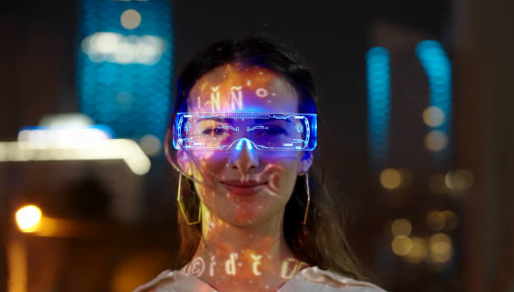
Augmented reality (AR) lays digital elements over the camera image on a tablet or phone. You’re still standing in a real room or on a real street, but on the screen you see a character, an object or a clue “hanging” in that spot. In Krakow, if you’re looking for an escape room with AR, you’ll most often find it in city games, where each team gets a tablet with a map, augmented reality and tasks tied to specific places.
That said, feeling part of a story doesn’t need a computer. Scenery, lighting, sound and a well-told plot can also pull you into the world of the game. Digital technology is one of the tools, not a requirement for a great adventure.
AR and VR aren’t the same thing
Augmented reality adds digital elements to your view of the real surroundings. To stop a virtual object “floating” around the screen, the device has to know where it is and how it’s moving. Google explains this using its ARCore platform as an example: the phone tracks distinctive points in the camera image and combines them with data from its motion sensors. It also detects flat surfaces, so a virtual object can “lie” on a real table or “hang” on a wall and stay in place when you move the device.
Virtual reality, or VR, lets you look at a computer-generated environment, usually through a headset. You don’t see the real room at all, only the game world. That’s a different way of taking part from looking at the city through a tablet. A room that uses AR doesn’t need VR headsets, and the presence of a screen doesn’t prove that either technology is being used.
GPS is something else again
GPS has a separate job: it helps work out where the device is. A map pointing you to the next location can work without laying virtual characters over the camera image. In game descriptions these features appear side by side, but they’re not interchangeable.
Two Krakow examples show this well. The Krakow Legends app runs on the player’s own phone: you need GPS switched on, and tasks unlock once you reach the next point on the map. EscapeCity’s city games, on the other hand, combine GPS with augmented reality on iPads that the organiser hands to each team. Both take you through the city, but the technology and what you need to prepare are different.
What a team gets in a city game with AR
Taking EscapeCity as an example, the player’s kit looks like this:
- Briefing: a Game Master introduces the story, hands out the equipment and explains the safety rules.
- iPad in a rugged case: guides you on a GPS map, shows elements in augmented reality, counts points live and connects the team with the base.
- Physical props: depending on the scenario, a suitcase of gadgets, ciphers and documents, or a small box of puzzle materials.
- Hints: available in the app, at the cost of some points. The Game Master is on the phone throughout the game.
- Weather: in light rain you play as normal, and in a gale, a downpour or a storm the organiser agrees a new date with the group.
In Kraków Legends by EscapeCity, a separate game from the app above, the tablet leads you along the Royal Route to Wawel and lets you “see ghosts” in AR, with Master Twardowski guiding the story. In Operation Mindfall, teams of 4 to 6 head along the Vistula and around Wawel, combining on-screen tasks with a physical agent’s suitcase. The organiser provides the equipment, so you don’t need your own tablet or any previous experience with the technology.
Technology that serves the story
A flashy animation makes more sense when it delivers a clue or prompts a decision than when it simply interrupts the walk. A well-designed AR task makes you connect what’s on the screen with what’s around you.
Picture a sample task: the team looks at a sign on a building, and the screen gives them a legend explaining what it means. To answer, they have to combine both sources. That’s an illustration of the mechanism, not a spoiler for a real puzzle from any of these games.
That’s why physical props still matter. A suitcase of files or ciphers gives the people who aren’t holding the tablet at that moment something to do, and lets the team work in parallel.
A shared screen needs teamwork too
If one person holds the tablet for the whole route, the others may not see the information. It helps to read messages out loud, show the screen to the team and take turns with the device. Before you step into the road, look at your surroundings, not the screen.
Before you choose a game, it’s worth asking a few questions:
- Does the organiser provide the equipment, or do you play on your own phone? For a game in an app, make sure your battery is charged and location is switched on.
- How many people share one screen? With a bigger team, it helps to split roles between the tablet, the map and the props.
- What language is the game in? EscapeCity says it runs games in Polish and English.
- What happens in bad weather, and can you move your booking?
You don’t need to know the technology beforehand, but don’t assume everyone will be comfortable using it in the same way. A good story leaves room for the whole team to take part, including the person who’d rather watch the surroundings than handle the tablet.
Author of this post

Redakcja KrakowSecrets
Zespół redakcyjny KrakowSecrets. Piszemy o krakowskich miejscach, trasach i wydarzeniach, a praktyczne szczegóły – godziny, ceny, dojazd – sprawdzamy przed publikacją.
More from this category
Latest posts
Recently added
Editor’s note
One good tip every Wednesday
No daily noise or random list of events.
gramiejskakrakow.pl
Turn a walk into a city mission
If you’re going as a group, choose the version with puzzles and a shared finale.
More from the blog